Yuva Online Course and Exam

Client

Harpreet Singh

Timeline

6 Months

Team

9+ Developer

Yuva Online Course and Exam featured project image

Project showcase

Interface detail, product thinking, and technical execution in one connected story.

1 images
Inside the product

A closer look at the experience.

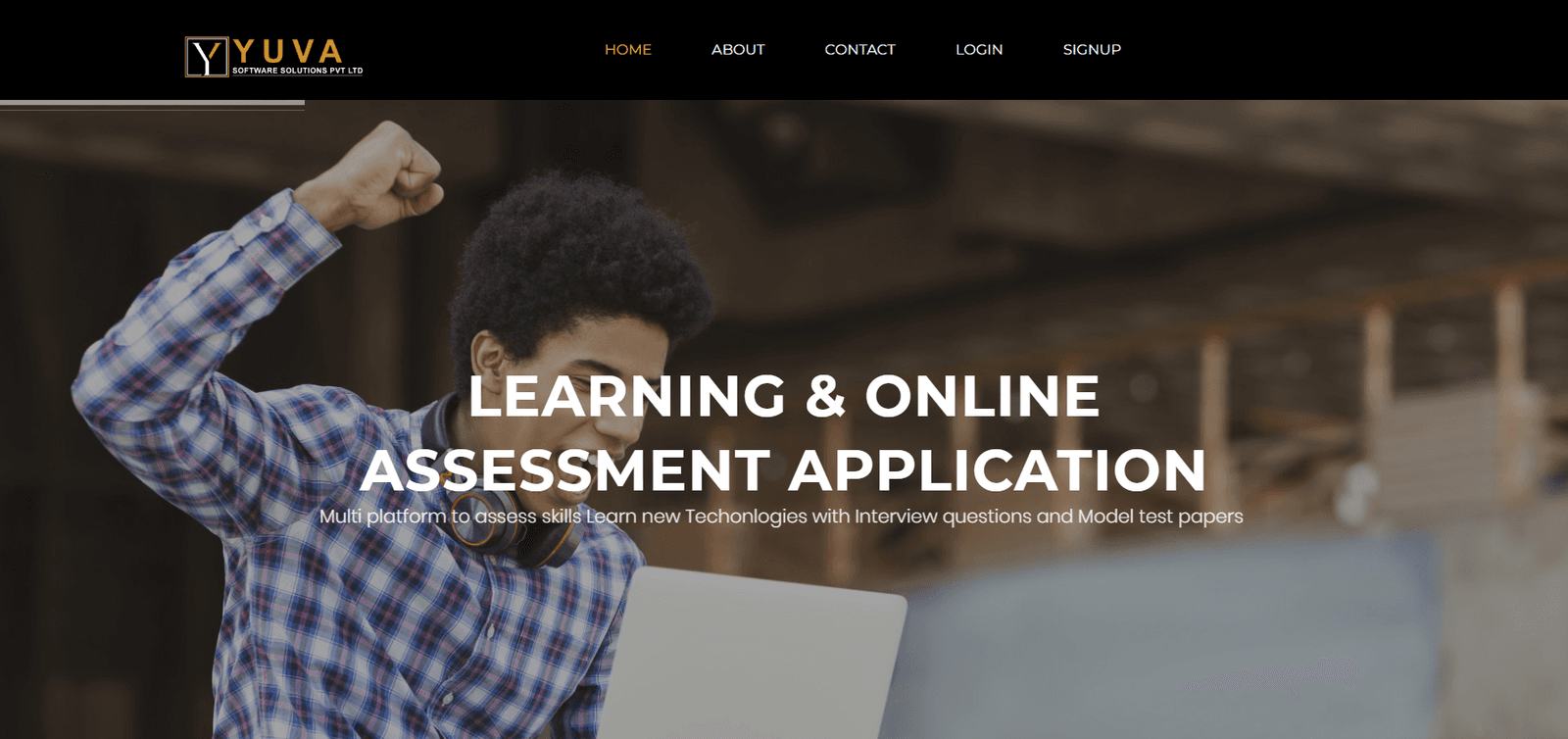
Browse the interface, key screens, and visual details. Select any image to inspect it at full size.

A focused project view

Open the image to inspect the interface at a larger scale.

Product capabilities

The details that make the experience work.

01

Core Features for an Effective Learning Management System

Discover the essential features required to build a high-functioning Learning Management System (LMS). From user management and role assignments to course creation tools, assessments, and progress tracking, these core functionalities provide the foundation for any successful LMS. Implementing these features will ensure a seamless learning experience for both educators and students.

02

Key Components for a Modern LMS

To create a modern LMS, you need to integrate key components such as multimedia course support, mobile responsiveness, real-time assessments, and analytics dashboards. These features enable interactive learning and provide insights into user progress and engagement. This guide highlights the must-have functionalities for building an LMS that is both scalable and user-friendly.

03

Must-Have Features for Your Learning Management System

Building an LMS requires attention to key features like customizable course structures, automated certifications, collaborative tools, and gamification elements. These features drive user engagement and ensure a streamlined learning process. By focusing on these areas, you can create a comprehensive and adaptive LMS for any type of educational environment.

04

Essential Functionalities for a Feature-Rich LMS

Learn about the essential functionalities that every feature-rich Learning Management System should have. This includes powerful content management systems, user interaction tracking, adaptive learning paths, and data security protocols. These features enhance the overall learning experience and help administrators manage content and users effectively.

05

Building Blocks of a Successful LMS: Key Features

Explore the building blocks of a successful LMS, including content authoring tools, integration with external platforms, robust reporting, and scalable infrastructure. These key features provide the versatility and efficiency needed for creating an LMS that meets diverse educational needs and enhances both teaching and learning experiences.

From a clear problem to a confident release.

The work moved through deliberate stages, keeping product decisions, design quality, and engineering execution aligned.

01

Phase 01

Comprehensive Guide to Building a Learning Management System (LMS)

This guide walks you through the comprehensive process of developing a Learning Management System, covering everything from project planning to implementation. Learn how to define your LMS goals, choose the right technology stack, design user interfaces, integrate key features like course management and assessments, and ensure scalability and security. Follow these steps to create an engaging and efficient platform tailored to your learning community.

02

Phase 02

How to Build an LMS: A Step-by-Step Process

Developing a Learning Management System (LMS) requires careful planning and execution. This step-by-step process guide takes you from idea to launch, outlining key stages such as requirement gathering, design, development, testing, and deployment. With a focus on creating a user-friendly and functional platform, you'll discover how to integrate course creation, user management, analytics, and more into your LMS.

03

Phase 03

Step-by-Step Workflow for Building a Modern Learning Management System

Follow this detailed workflow to create a modern and efficient Learning Management System (LMS). From initial research and choosing the right development tools to designing intuitive navigation and implementing tracking and reporting features, this guide provides all the steps needed to deliver a high-performing educational platform. Whether for schools, businesses, or online courses, this approach ensures your LMS meets the needs of all users.

04

Phase 04

Essential Steps for Developing a Custom Learning Management System

Creating a custom Learning Management System (LMS) involves several essential steps, from conceptualization to deployment. This guide highlights the critical phases, including system architecture design, feature integration, content delivery methods, and user engagement strategies. By following these steps, you can build a custom LMS tailored to specific educational or corporate training needs, providing a seamless and scalable solution.

05

Phase 05

Building Your LMS: Key Stages and Best Practices

Learn the key stages and best practices involved in building an effective Learning Management System (LMS). This process guide covers everything from defining project objectives and developing a robust technical framework to designing intuitive interfaces and testing for scalability and security. It emphasizes the importance of delivering a user-friendly, feature-rich LMS that enhances learning experiences and improves user engagement.

Technology stack

Tools chosen for the product, not the trend.

Each technology was selected for maintainability, performance, integration fit, and the team's long-term ability to evolve the product.

Laravel logo

Backend Framework

Laravel

A powerful PHP framework for building scalable web applications

Project snapshot

Timeline

6 Months

Team

9+ Developer

Client

Harpreet Singh

We're thrilled with the LMS your team built. It's user-friendly, customizable, and has greatly improved our training. Key features like assessments, reporting, and mobile access enhanced learner engagement. The team's support was exceptional, and we highly recommend your services for anyone looking to develop an LMS.

Harpreet Singh

Yuva Tech